
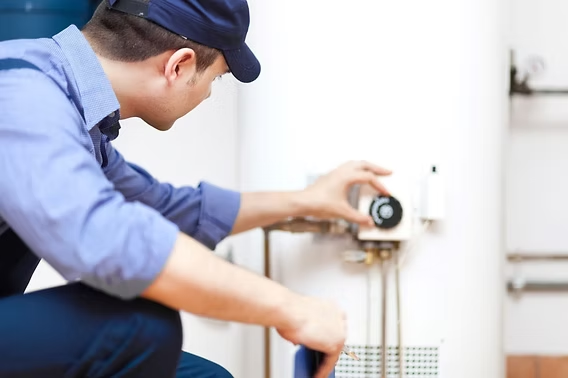
Signs You Need Water Heater Repair or Replacement
A water heater that is failing rarely does so without warning. The signals are often subtle at first, a slight change in water temperature, a faint noise, a small puddle that appears and then evaporates. Recognizing these early warning signs and responding appropriately prevents the inconvenience of a cold water morning from becoming a flooded utility room or a mold problem behind the walls. Understanding what your water heater is telling you is one of the more useful pieces of home maintenance knowledge a homeowner can have.
Why Water Heaters Fail Sooner Than Their Design Life Suggests
Most conventional tank water heaters are designed for a service life of ten to fifteen years, but actual performance varies considerably based on water quality, maintenance history, and installation quality. Hard water accelerates sediment accumulation at the bottom of the tank, increasing energy consumption and reducing the effective heating volume. Anode rod degradation allows the tank lining to corrode from within. An appliance that has never had its anode rod replaced or its tank flushed may be reaching the end of its functional life well before its nominal service age suggests.
Warning Signs That Your System Needs Immediate Attention
Several specific symptoms indicate that professional assessment is needed without delay. Rusty or discolored hot water suggests internal tank corrosion. A rumbling or popping noise during heating cycles indicates significant sediment accumulation. Water pooling around the base of the unit points to a tank leak or pressure relief valve failure. Inconsistent water temperatures or extended recovery times after hot water use suggest heating element or thermostat problems. Any of these warrant a prompt call to qualified hot water heater repair professionals.
The Decision Between Repair and Full Replacement
Not every water heater problem requires replacement, but the age of the unit is a critical factor in the repair-versus-replace calculation. If the unit is within its first seven years of service and the fault is a replaceable component such as a heating element, thermostat, or anode rod, repair is usually the more economical choice. If the unit is older and experiencing its first significant failure, water heater install professionals can help assess whether replacement represents better long-term value than continued repairs.
Modern Water Heater Options That Deliver Better Efficiency
For homeowners facing replacement decisions, the range of options available today offers significant performance and efficiency improvements over older conventional tank models. Heat pump water heaters use ambient air temperature to heat water with remarkable efficiency, reducing energy consumption by up to sixty percent compared to conventional electric resistance models. Condensing gas water heaters extract more heat from combustion. Tankless systems eliminate standby heat loss entirely.
Extending the Life of Your Current System Through Proper Maintenance
Regular maintenance substantially extends the functional service life of any water heater. Annual flushing removes sediment that reduces efficiency and accelerates tank deterioration. Replacing the anode rod every three to five years protects the tank lining from internal corrosion. Testing the pressure relief valve annually confirms it will operate correctly if needed. These maintenance tasks are inexpensive individually and collectively represent the most cost-effective strategy for maximizing the return on the original installation investment.
Conclusion
A water heater that is failing will communicate its distress through consistent symptoms that homeowners who know what to look for can recognize early. Acting on these signals promptly prevents the more disruptive and expensive failures that occur when warning signs are ignored. Professional assessment brings the diagnostic clarity needed to make the right decision confidently.