Plumbing Issues Every Home Faces Over the Years
Plumbing in a home is one of the most important and least recognized aspects of a home. The amenities and fittings are installed on the wall and floor of the home in such a way that issues are realized after a long period has already passed. Plumbing issues in most residential arrangements are not a one-time occurrence but occur at an average frequency depending on a variety of factors.
The ability to identify the shared problems that arise within the plumbing systems will be essential, and one would be able to note the indications as well as the factors that have led to the persistence of such problems. Even though every house is different, the typical issues that arise in the piping systems have a pattern.
The Leaks That Beg Small And Grow Silently
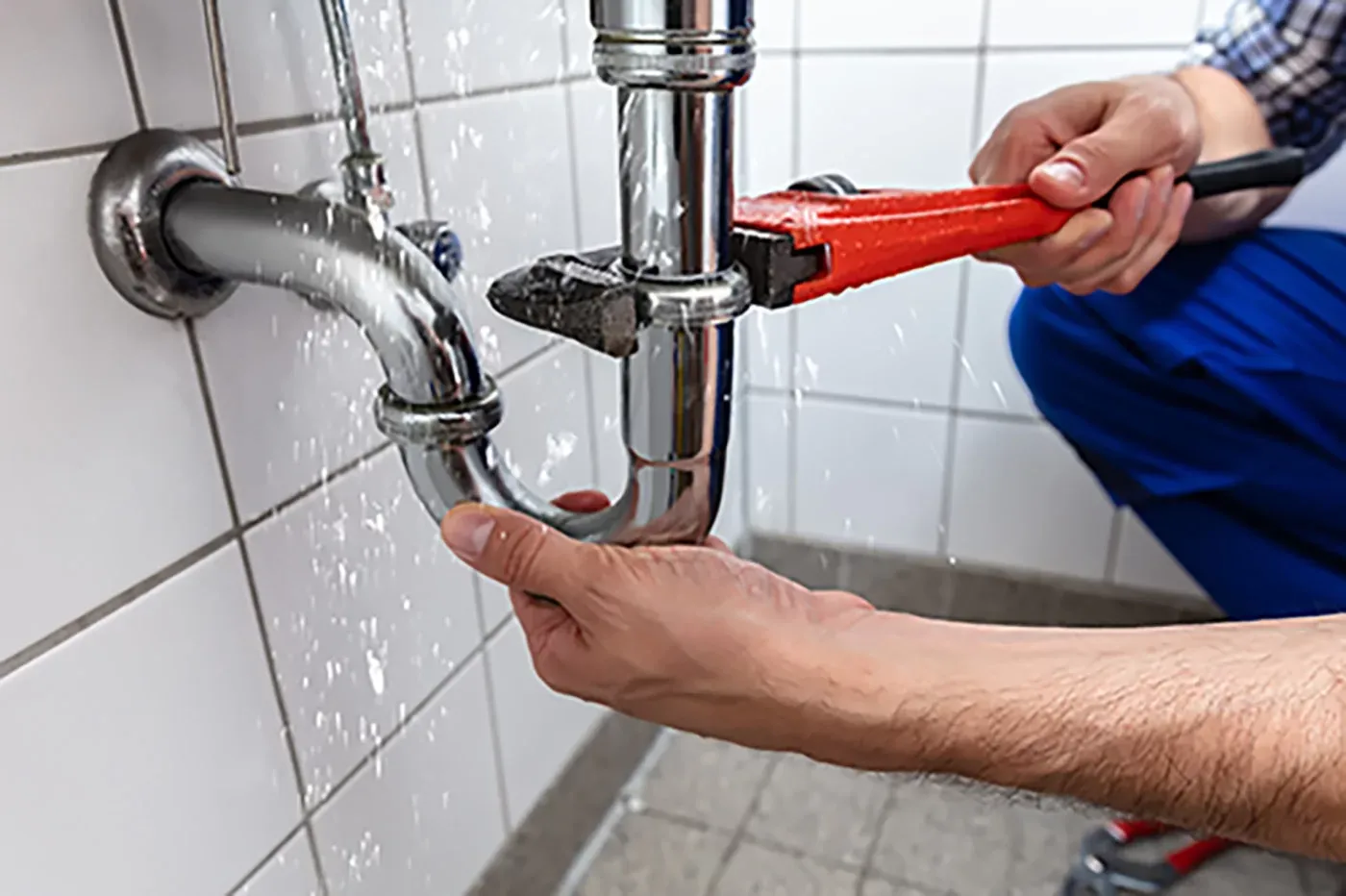
Even harder to detect are leaks that are covered with a wall, ceiling, or floor. They can take a long time to manifest themselves without symptoms. However, they damage the construction of the house. The first sign of a leak may be stains or discoloring of walls or ceilings, or increased water use. Some of the businesses that deal with these types of problems effectively in the local lingo of home maintenance and repair are like Koala Plumbing.
Obstructed and Sluggish Pipes
Blockage of the drain is a common phenomenon in most homes. People may block pipes in the kitchen with grease, food particles, and soap. Hair and cosmetic materials in the bathroom are the cause of blocked drains. These materials will not instantly clog a drain, but will build up in the drain and reduce the speed of water flow.
However, when the blockages continue to accumulate, it may not be an issue only in the drain. Involvement may also depend on the gradient in the pipes or blockages in the pipes. When all the plumbing fixtures in a home start draining slowly, then there may be a general issue.
Changes in Water Pressure
The other common irritation cause that most people are quite familiar with is the water pressure, which might be fluctuating at this or that moment. The pressure might be minimal and might not make showering and using appliances very pleasant. Some of the potential causes of low water pressure might include the deposition of minerals in the pipes, half-open valves, and leaks that may divert the water to other places before it gets to the appliances. In other cases, the pressure might be low as a result of alterations in the water supply.
Problems with Toilets that Waste Water
The toilet is a simple thing, but it consists of a few parts, and they must also work in harmony. The constantly running toilet is not that uncommon a thing, and there are several reasons behind it, the majority of which touch upon the internal elements of the tank. It is not particularly loud, but it consumes quite a lot of water.
Other issues associated with toilets would be poor flushing efficiencies, obstructions, or stagnant water at the base. These things may be as simple as a defective part, or as draining/venting problems later on. Toilets are used regularly, so any inefficiency will not be felt for long.
The Water Heater Decline
Because the hot water services have an impact on the day-to-day lives of people, it is normally when an impact is felt on the comfort of this service that any issues will be detected. A fault could be indicated by changes in temperature, low hot water output, or unusual noises in the hot water tank. Sediments in hot water tanks may be a widespread problem in a specific area.
The heating elements, thermostats, and pressure relief valve become old with time. Because the work of the water heaters is conducted on the basis of heating and pressure, any minor problem is traditionally solved quickly to avoid severe collapse.
Issues With Sewer Lines in the Ground
Although it is less likely, sewer line problems are more severe than plumbing line problems. The fundamental cause of the harm to the plumbing line that will dispose of the wastewater produced in the residence can be attributed to root development, soil displacement, and also old pipes. The red flags of this issue are drainage odors, gurgling, and backups.
The reason is that the sewers are underground; most of the time, the problem will be detected with the assistance of special equipment. This is essential because a failure to diagnose the problem can result in a sanitation problem and even an expensive repair.
Environmental and Seasonal Factors
The other factor that can affect the life expectancy of plumbing can be the climatic factors. Low temperatures can cause the water in the pipes to expand and break because of the ice formed, which melts. Pipes may also be stressed by hot and dry climatic conditions.
Other demands on the plumbing systems are the changes in levels of water usage, including changes in the levels of water utilized in gardening, among others. All of this contributes to the decay of the homes.
Devices and Connection Points
These encompass appliances that use water, such as washing machines, dishwashers, and fridges. The hoses that are attached to these devices are in motion and at all times under pressure. As time goes by, the rubber hoses can get worn out, and the metal connectors can loosen, leading to leakages which can occur without even notice. Check-ups on these connections can perform miracles in preventing sudden cases of water damage, particularly when dwelling in a place where appliances are adjacent to cabinetry or flooring that is moisture sensitive.
The Importance of Preventive Consciousness.
What unites the common problems is that they are all inclined to deteriorate when not taken care of. Homeowners can save the situation by identifying the signs as early as possible, and the issue can even be prevented. Homeowners can gain valuable information by keeping track of the water bills and the alterations that can take place in drainage or pressure, or even in the pipes. To illustrate, small plumbing problems that remain unaddressed have been identified by the U.S. Environmental Protection Agency as a potential source of significant water loss.
This strategy is inclined to justify the argument that a further emphasis in this field can be rather beneficial both to consumers and to resource conservation. A Familiar Pattern Across Homes. The reality that plumbing problems can be considered a personal issue is somewhat accurate. The problems, however, appear to have a pattern, irrespective of the age of the house, whether one is living in a new or an old house. This is largely because of factors that appear to have a predictable trend. Lastly, all houses will at some point deal with one or more of these problems: leaks, clogs, a change in water pressure, or a problem with household appliances. The causes and consequences of these issues can be helpful to understand.